A welcoming dental home for every stage of life
Thoughtful family, restorative, cosmetic, and urgent dental care in Timonium — now accepting new patients.
Call (410) 252-6676 Book Appointment
¡Sí hablamos español!Dr. Eric Klein DMD — Rutgers DMD — Hospital Trained

Quality Family Dentistry
Serving Timonium Since 1980
Quality Family Dentistry has been at 9644 Deereco Rd in Timonium since 1980. For generations of local families, the office has offered a familiar location for preventive visits, restorative treatment discussions, Invisalign consultations, implant planning, cosmetic questions, and urgent dental concerns. Dr. Eric Klein DMD leads the practice today after earning his DMD from Rutgers School of Dental Medicine and completing a hospital residency at St. Barnabas Hospital in the Bronx.
The office is built around direct conversations. Patients can call (410) 252-6676 before a first visit, bring a question about a painful tooth or an older restoration, and ask what records or health information will be useful. Dr. Klein examines the condition at hand, explains relevant findings, and discusses the practical next step with the patient.
Call (410) 252-6676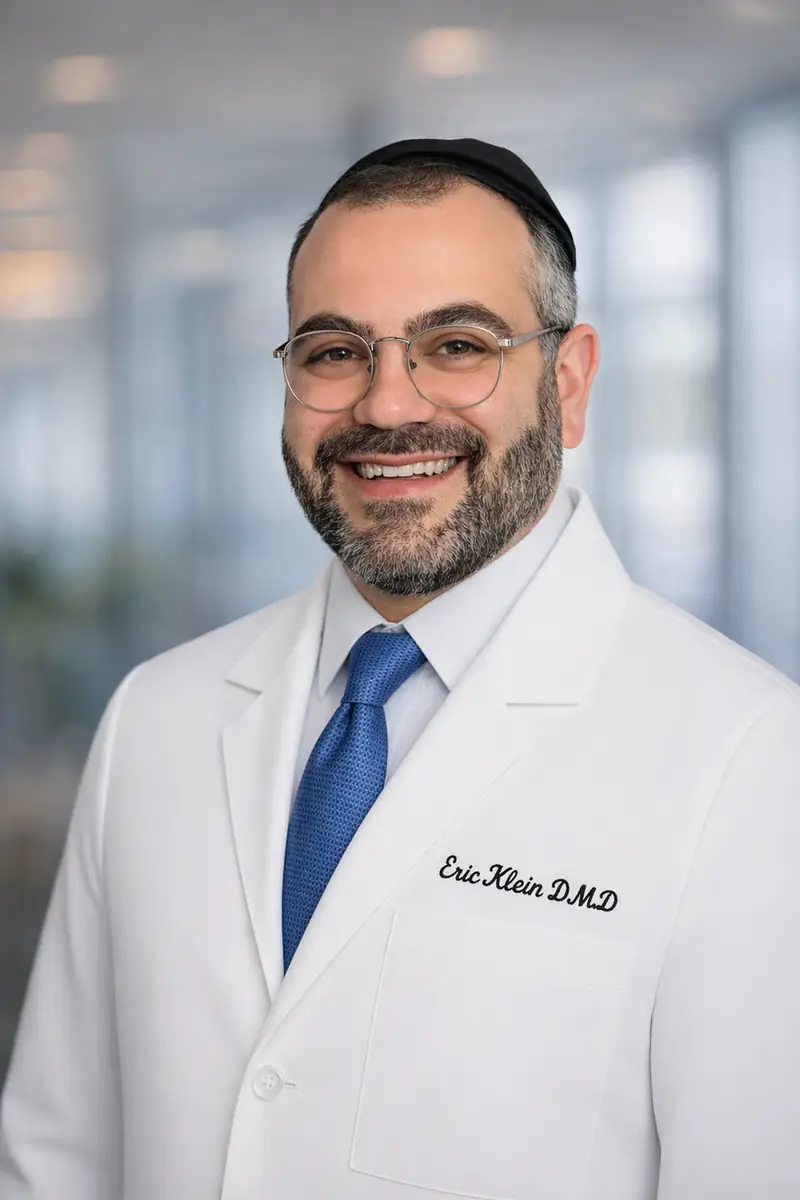
Care at 9644 Deereco Rd
Dental services for the questions patients bring in
Choose a service to see how the Timonium office approaches preventive care, restorations, dental implants, Invisalign, cosmetic treatment, and urgent dental concerns.
Family Dentistry
Dental visits for children, adults, and older adults, from first checkups through long-term maintenance.
Dental Implants
CBCT 3D imaging through our partner imaging facility when an implant case needs detailed planning.
Invisalign
Certified Invisalign care using 3Shape TRIOS digital records rather than traditional impression material.
Emergency Care
Call for tooth pain, broken teeth, lost crowns, swelling, or an urgent appointment question.
Cosmetic Dentistry
Veneers, bonding, whitening, and smile-planning conversations based on your teeth and goals.
General Dentistry
Examinations, tooth-colored fillings, lab-fabricated ceramic crowns, and preventive treatment planning.
A familiar Timonium office
A direct relationship with your dentist
Personal. Familiar. Consistent.
Quality Family Dentistry is a welcoming Timonium office where Dr. Klein personally examines patients and discusses the findings from each appointment. That continuity helps when a patient is deciding how to address an older crown, a missing tooth, a new sensitivity, a child's dental-development question, or a change that needs closer monitoring.
The same office at 9644 Deereco Rd also makes the practical details easier to manage. Patients can call one direct number for scheduling, records, benefit-verification questions, and urgent dental concerns. For someone who feels uneasy about dental care or has a detailed treatment history, a familiar location and a direct conversation can make the next appointment easier to plan.
Call (410) 252-6676Digital records and treatment planning
Technology That Supports Better Decisions
The 3Shape TRIOS digital intraoral scanner creates detailed digital records without traditional impression material. Those records can support crowns, Invisalign treatment planning, and discussions about the current shape or condition of a tooth. Patients can ask to see how a scan relates to the reason for their visit and how it may be used in a treatment plan.
When an implant case requires three-dimensional information, Quality Family Dentistry coordinates CBCT 3D imaging through our partner imaging facility. Crowns are lab-fabricated ceramic crowns by skilled ceramists. The office explains the role of imaging, laboratory work, temporary restorations, and final placement so patients understand the sequence before moving forward.
3Shape TRIOS digital intraoral scanner for detailed digital records.
CBCT 3D imaging through our partner imaging facility when implant planning requires it.
Lab-fabricated ceramic crowns by skilled ceramists for restorative care.
A plan for uninsured patients
No Insurance? No Problem.
Quality Family Dentistry offers an in-house membership plan designed for patients without dental insurance. For as little as $25 a month, members receive preventive care with no deductibles, no annual maximums, and no waiting periods. Benefits start immediately.
2 cleanings, 2 exams, 20% off treatment
2 cleanings, 2 exams, fluoride, 20% off treatment
3–4 periodontal visits, 2 exams, 20% off treatment
Learn About Membership Plans → Call to Enroll — (410) 252-6676
No Insurance? Learn about our membership plan →Local access
Serving Northern Baltimore County
Quality Family Dentistry is less than one mile from I-83 Exit 17, with access from Timonium, Lutherville, Cockeysville, Hunt Valley, Mays Chapel, Phoenix, Sparks, Hereford, Hampton, Jacksonville, Hampstead, Westminster, and nearby communities along the I-83 corridor. Free parking is available directly in front of the Deereco Road building.
Friday appointments begin at 7:00 AM for patients who need an early option before work. Monday and Thursday appointments run until 6:00 PM; Tuesday and Wednesday appointments run from 8:00 AM to 5:00 PM. New patients may call (410) 252-6676 without a referral to ask about a first visit or transfer of dental records.
Appointments at Quality Family Dentistry
Ready to Schedule?
Quality Family Dentistry is accepting new patients in Timonium. Call (410) 252-6676 or use online booking. Office hours are Monday and Thursday 9:00 AM–6:00 PM, Tuesday and Wednesday 8:00 AM–5:00 PM, and Friday 7:00 AM–12:00 PM.